
Where do drain flies come from?
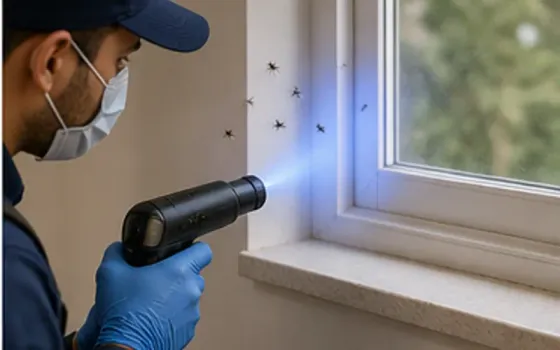
The small insects you see in the bathroom are usually drain flies, also called moth flies, and the name suits them. They are smaller than a grain of rice, with a body and wings covered in fine hairs, and they rest on the wall with their wings spread flat like a tiny roof. In Egypt people call them «hamoush», a word also used for the Nile midges further down this page.
The female lays her eggs inside drains and pipes, in the slimy layer that builds up on the pipe wall from soap, hair, food scraps and grease. The larvae live in this layer and feed on it, then finish growing and emerge as adults from the same drain. As long as that layer is there, there is an active source right under your feet.
This explains something that surprises people: drain flies turn up in bathrooms that look spotless. The tiles can shine while the inside of the drain is another story.
We also see this a lot: a family comes back from a holiday on the coast to find the bathroom full of flies. The water in the trap dried out while they were away and left an open path from the pipes. Pouring half a glass of water into each drain as soon as you get home makes a real difference.
Why spraying the wall doesn’t work
Spraying the flies on the wall only kills the adults. The larvae inside the drain are untouched, and in warm weather the cycle from egg to adult can take just a few weeks. A few days later the wall is covered again.
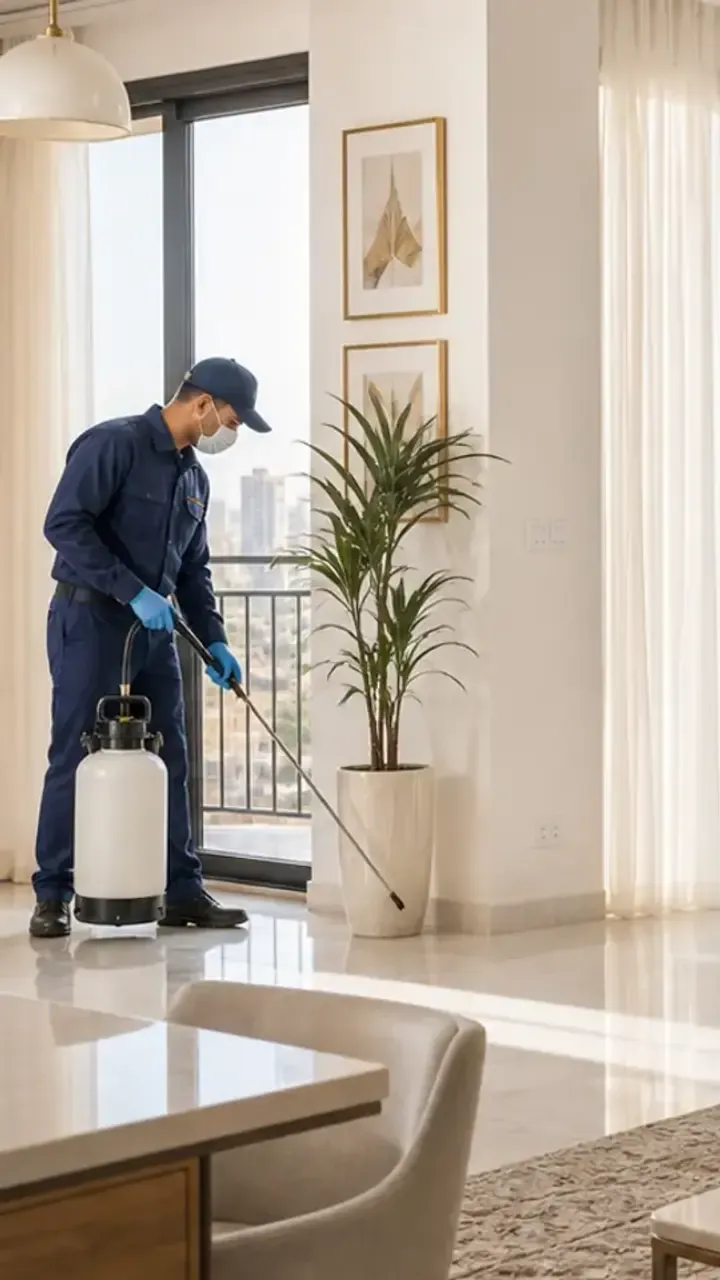
We work the other way round. First we find the source drain. Sometimes it is a single drain in a bathroom nobody uses, the sink overflow hole nobody ever looks at, or the balcony drain. Then we remove the slime layer wherever we can reach it and treat the rest with a product that breaks it down and stops the larvae. Finally we treat the walls where adult flies rest, so the ones already flying die off.
If the inspection shows the source is a broken pipe under the tiles or a collapsed trap, we will tell you from the start and won’t sell you a treatment that does nothing. That is a plumber’s job, and once it is fixed the flies usually stop on their own.
You can run a simple test before you call us. Stick clear tape over each drain at night, leaving a small gap. In the morning, check which piece of tape has flies stuck to its underside. That is the drain producing them, and knowing it saves a lot of time during the inspection.
Bathroom drain flies and Nile midges
In Egypt the word «hamoush» covers two different insects. The first is the drain fly described above. It comes from drains, is around all year and gets worse in the heat. The second appears in certain seasons in areas along the Nile, such as Maadi, Zamalek and Helwan, and gathers in large numbers on balconies and around light bulbs.
Nile midges don’t breed in your home, so there is no drain to treat. Instead we treat the facades, balconies and the spots where they gather. We also suggest switching outdoor lights to yellow bulbs, which attract fewer insects, and closing the screens around sunset. The aim is to reduce the nuisance during the season, and we won’t promise more than that.
When to call us
Call us if drain flies have been in the bathroom for more than a week and cleaning hasn’t helped, if they appear in more than one bathroom, or if they have started reaching the kitchen. This matters a great deal for restaurants and cafés, because flies near food can cause problems at any inspection. Floor drains in commercial kitchens collect more grease and the layer gets thicker, so they need regular cleaning after treatment.
Send a photo of the insect on WhatsApp and we will tell you whether it is a drain fly or something else, such as a fruit fly, because the treatment is different. Fruit flies are lighter in colour with red eyes and gather around fruit bowls and bins, not on the bathroom wall. Drain flies are dull grey with broad, hairy wings and sit still on the wall until you get very close. Anywhere in Egypt, a technician can reach you the same day.
After the treatment: what to do
- Pour water into unused drains once a week so the trap doesn't dry out and open a path from the sewer.
- Scrub the shower drain and sink trap from time to time. Bleach on its own runs through quickly and doesn't remove the slime layer.
- Run the bathroom extractor fan or let the room air out. Damp makes this layer build up faster.
- If you see flies coming out of a crack in the floor or around the base of the toilet, call a plumber to check for a leak.
The price is set after the inspection
The price of drain fly control depends on how many bathrooms and drains need treating, whether the problem is only in the flat or also in the building's drains or basement, and whether a follow-up visit is needed. We confirm the exact price before we start, and the inspection comes with no obligation.
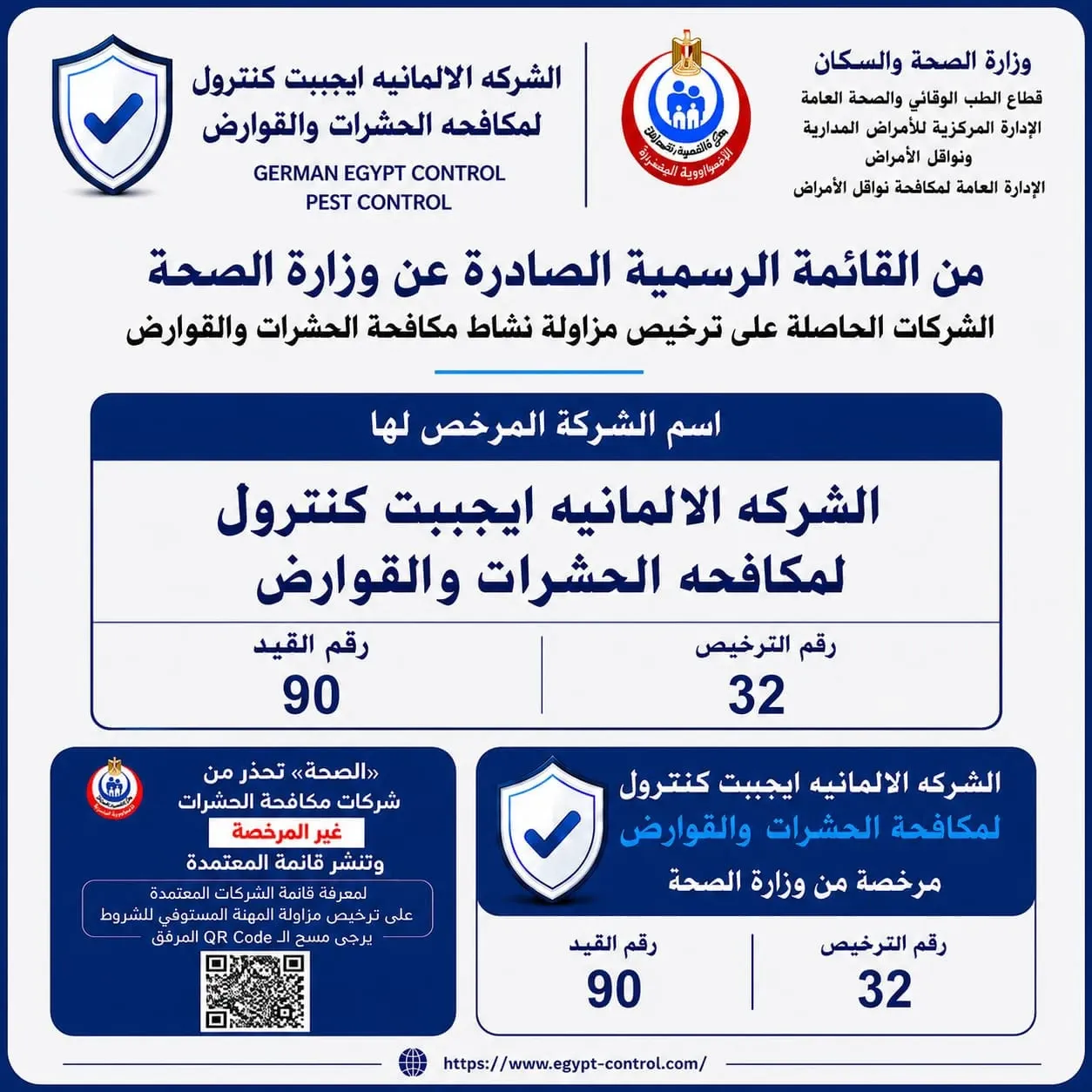
After treatment you receive a guarantee certificate stating the period and the service, and if the problem returns within that period we come back at no extra cost.