


What are silverfish looking for in your home?
Silverfish don’t arrive because a house is dirty. They come for damp, darkness and the right food, and their diet is a little odd: the starch and sugar in bookbinding glue, wallpaper and the paste behind it, cardboard, old photographs, and starched cotton and linen. That’s why you find them in the bookcase, the wardrobe and the storeroom, not only in the kitchen.
They’re nocturnal. By day they sit in a crack behind the skirting board, a gap around a pipe or a pile of papers, and at night they come out to feed. If one runs when you switch on the light, there are probably others in the same place.
People also tend to miss this: for an insect, silverfish live a long time and can survive long periods without eating. Lock the bookcase for two weeks while you travel and they won’t have starved by the time you get back.
Where we find them most
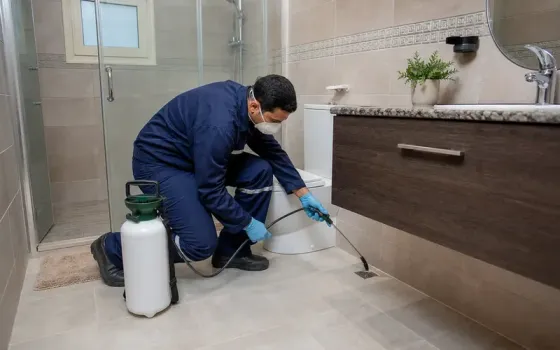
Bathrooms and kitchens come first, especially under the basin, around drains and behind the water heater. After that come wardrobes backed against a bathroom wall, bookcases and junk rooms with boxes on the floor.
We see them a lot in older buildings, ground floors and basements, and in flats with a hidden leak inside a wall. In coastal cities like Alexandria the high humidity makes life easy for them. Offices, archives and paper stores have it worse, because there’s plenty of food and nobody opens the old files very often, so the damage builds up unnoticed.
How we treat them
We start with an inspection. The technician looks for hiding places and for the source of the damp at the same time: a damp patch on a wall, a bathroom window that never opens, a pipe weeping under the basin. Sometimes the real fix starts with a plumber, not a pest treatment, and if that’s the case we’ll tell you plainly.
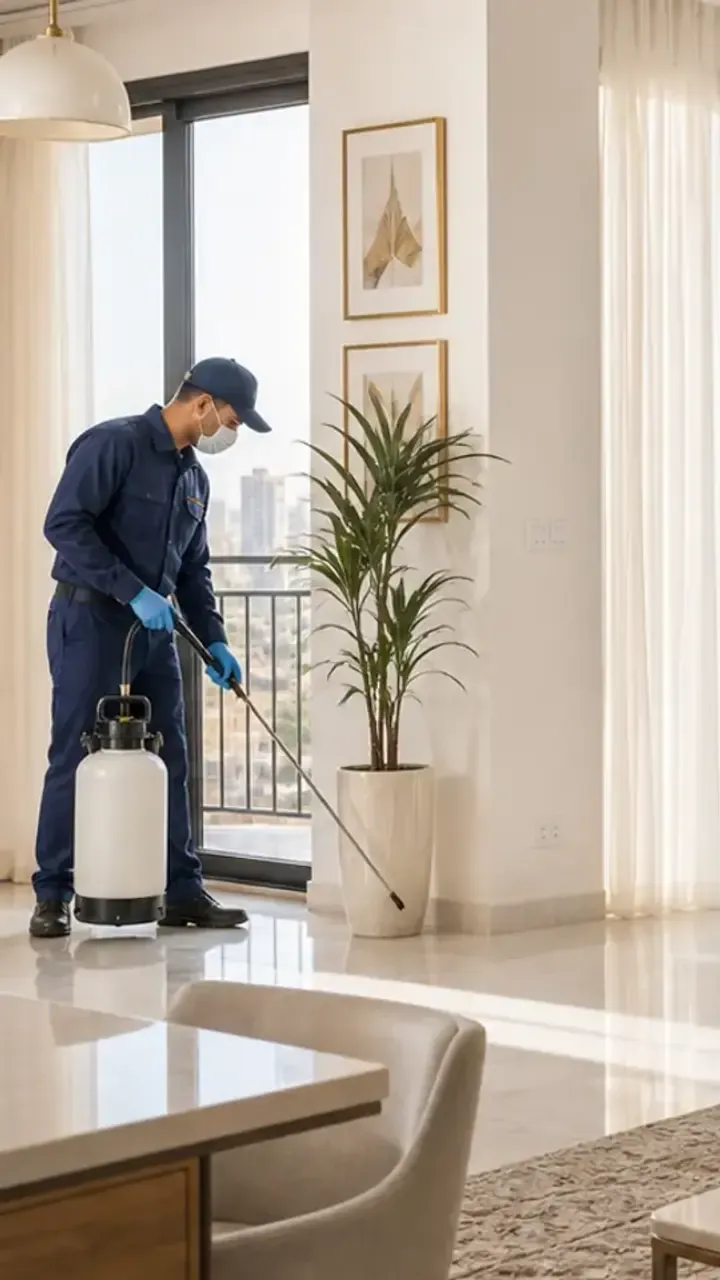
Then we treat cracks, joints and corners with Ministry of Health approved residual products that keep working for several days where the insects pass. We never spray books or clothes; the treatment goes into the hiding place, not onto the things being eaten.
In libraries and archives we work more carefully. For a large infestation we ask you to empty the shelves, then treat the back of the bookcase and the floor underneath, and show you how to check the books before putting them back. If the infestation is old and widespread we book a follow-up visit, because eggs in the cracks don’t all hatch at once.
What brings them back after treatment
The most common problem we see is a home that gets treated while the damp stays exactly as it was. A bathroom with no window or fan, or a wardrobe against a leaking wall, will keep attracting silverfish however often it’s treated. Treatment kills the ones there now. If the place still suits them, any silverfish arriving from next door or in a new box will settle in comfortably.
Cardboard is a problem in itself. Moving boxes stored for years on top of a wardrobe or on a closed-in balcony are food and shelter at once. If you don’t need them, throw them out; if you need what’s inside, move it into plastic boxes with lids.
Also, don’t mop treated areas with water and bleach the next day. That washes the product out of the cracks before it has done its job, so leave it until the technician says otherwise.
When to call us
Seeing a silverfish in the bath now and then isn’t an emergency. Reduce the damp and keep an eye on it. If you see them every night, though, or find eaten paper or holes in clothes, you have an established infestation that needs treatment.
Send us a photo of the insect on WhatsApp. Plenty of people confuse silverfish with other small insects, and a photo can save you a visit you don’t need or the wrong treatment.
After the treatment: what to do
- Run the bathroom extractor fan or open the window after a shower, and don't leave wet towels in a heap on the floor.
- Lift boxes and books off the floor and put them on a shelf a little away from the wall.
- Keep important papers and clothes you don't wear in plastic boxes with lids instead of cardboard.
- Fix any leak in the bathroom or kitchen quickly, even a small drip under the basin.
The price is set after the inspection
The cost of silverfish control depends on the size of the property, the number of bathrooms and storerooms that need treating, how many books or papers are stored, and whether the infestation needs a follow-up visit. We confirm the exact price before we start, and the inspection comes with no obligation.
After treatment you receive a guarantee certificate stating the period and the service, and if the problem returns within that period we come back at no extra cost.